
Integration
Interoperability as an accountability contract
Opinionated notes for Australian imaging leaders—what we optimise for, what we refuse to pretend is solved by licensing alone, and where disciplined product behaviour matters most.
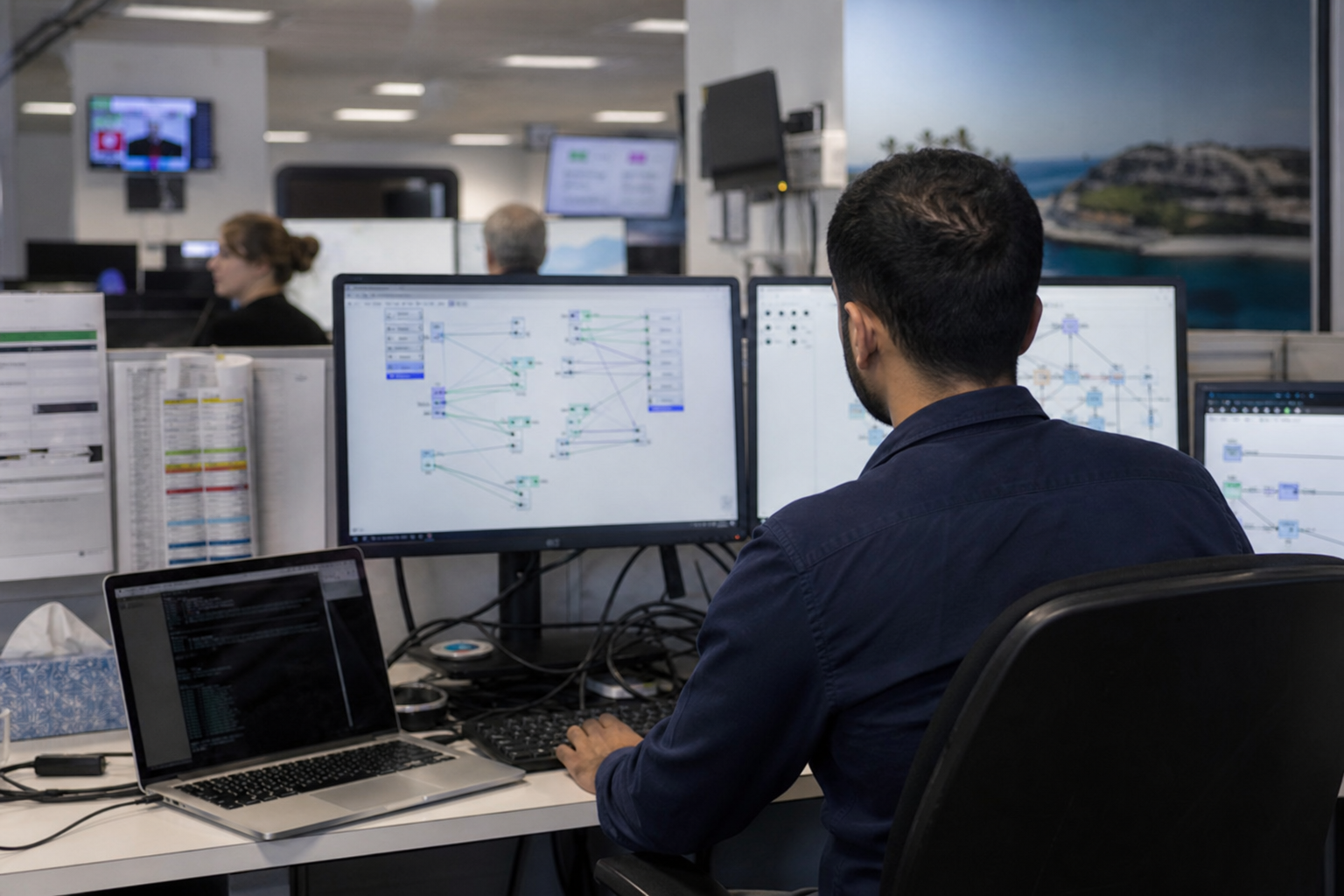
PACS refresh programmes often ship new pixels but forget operational continuity: training debt, configuration drift, and reporting macros. A coherent platform stance reduces the number of 'special cases' your service desk has to memorise. This is especially visible when the organisation is pushing on HL7/FHIR discipline: small configuration choices compound into staff frustration or, worse, silent workarounds.
If you cannot reconstruct who saw what, when, and under which role, you do not have enterprise imaging—you have convenient viewers. Reporting templates should be versioned like code: who approved the change, and which sites picked it up? This is especially visible when the organisation is pushing on HL7/FHIR discipline: small configuration choices compound into staff frustration or, worse, silent workarounds.
Capacity planning without queue telemetry is guesswork dressed as a spreadsheet. When imaging IT and clinical governance share vocabulary, upgrades stop being surprise parties. This is especially visible when the organisation is pushing on HL7/FHIR discipline: small configuration choices compound into staff frustration or, worse, silent workarounds.
Structured reporting pays off when it reduces rework, not when it adds mandatory fields nobody reads. We bias toward explicit workflows over heroic manual workarounds because heroics do not scale across campuses. This is especially visible when the organisation is pushing on HL7/FHIR discipline: small configuration choices compound into staff frustration or, worse, silent workarounds.
Regional networks amplify small inconsistencies into patient-visible delays. Dual-reading and peer learning programmes need tooling that respects time and does not double-handle images. This is especially visible when the organisation is pushing on HL7/FHIR discipline: small configuration choices compound into staff frustration or, worse, silent workarounds.
Private groups compete on referrer experience; public hospitals compete on throughput and safety under constraint. Cloud conversations in healthcare should start with data residency, exit strategy, and failure modes—not headline savings. This is especially visible when the organisation is pushing on HL7/FHIR discipline: small configuration choices compound into staff frustration or, worse, silent workarounds.
Cyber risk is continuity risk: downtime is a clinical incident with a different name. We take the view that software should make obligations obvious: logging, segregation, and least-privilege are product features. This is especially visible when the organisation is pushing on HL7/FHIR discipline: small configuration choices compound into staff frustration or, worse, silent workarounds.
The best integration programmes treat clinicians as partners in acceptance criteria, not as recipients of IT milestones. A coherent platform stance reduces the number of 'special cases' your service desk has to memorise. This is especially visible when the organisation is pushing on HL7/FHIR discipline: small configuration choices compound into staff frustration or, worse, silent workarounds.
Australian imaging departments are measured on turnaround, safety, and defensible audit trails—not on splashy demos. Reporting templates should be versioned like code: who approved the change, and which sites picked it up? This is especially visible when the organisation is pushing on HL7/FHIR discipline: small configuration choices compound into staff frustration or, worse, silent workarounds.
When worklists become political, reporting quality drifts and clinicians lose trust in the record. When imaging IT and clinical governance share vocabulary, upgrades stop being surprise parties. This is especially visible when the organisation is pushing on HL7/FHIR discipline: small configuration choices compound into staff frustration or, worse, silent workarounds.
Interoperability is not a connector count; it is whether the right person sees the right study at the right time with the right controls. We bias toward explicit workflows over heroic manual workarounds because heroics do not scale across campuses. This is especially visible when the organisation is pushing on HL7/FHIR discipline: small configuration choices compound into staff frustration or, worse, silent workarounds.
Mobile access is valuable only when it inherits the same permission model and evidence trail as the reading room. Dual-reading and peer learning programmes need tooling that respects time and does not double-handle images. This is especially visible when the organisation is pushing on HL7/FHIR discipline: small configuration choices compound into staff frustration or, worse, silent workarounds.
Governance fails quietly: privileges accumulate, templates diverge, and nobody can explain why two sites behave differently. Cloud conversations in healthcare should start with data residency, exit strategy, and failure modes—not headline savings. This is especially visible when the organisation is pushing on HL7/FHIR discipline: small configuration choices compound into staff frustration or, worse, silent workarounds.
After-hours reporting is where fragile systems show their seams—latency spikes, hand-offs break, and escalation paths blur. We take the view that software should make obligations obvious: logging, segregation, and least-privilege are product features. This is especially visible when the organisation is pushing on HL7/FHIR discipline: small configuration choices compound into staff frustration or, worse, silent workarounds.
PACS refresh programmes often ship new pixels but forget operational continuity: training debt, configuration drift, and reporting macros. A coherent platform stance reduces the number of 'special cases' your service desk has to memorise. This is especially visible when the organisation is pushing on HL7/FHIR discipline: small configuration choices compound into staff frustration or, worse, silent workarounds.
If you cannot reconstruct who saw what, when, and under which role, you do not have enterprise imaging—you have convenient viewers. Reporting templates should be versioned like code: who approved the change, and which sites picked it up? This is especially visible when the organisation is pushing on HL7/FHIR discipline: small configuration choices compound into staff frustration or, worse, silent workarounds.

Reporting templates should be versioned like code: who approved the change, and which sites picked it up? PACS refresh programmes often ship new pixels but forget operational continuity: training debt, configuration drift, and reporting macros. If you want a practical test, ask your service desk for the top five recurring imaging tickets—then trace each to a workflow decision inside HL7/FHIR discipline.
Bedside access should feel boring: predictable latency, predictable logout behaviour, predictable escalation. Capacity planning without queue telemetry is guesswork dressed as a spreadsheet. If you want a practical test, ask your service desk for the top five recurring imaging tickets—then trace each to a workflow decision inside HL7/FHIR discipline.
When imaging IT and clinical governance share vocabulary, upgrades stop being surprise parties. Regional networks amplify small inconsistencies into patient-visible delays. If you want a practical test, ask your service desk for the top five recurring imaging tickets—then trace each to a workflow decision inside HL7/FHIR discipline.
Australian privacy expectations and retention rules deserve first-class design—not bolt-on PDF policies. Cyber risk is continuity risk: downtime is a clinical incident with a different name. If you want a practical test, ask your service desk for the top five recurring imaging tickets—then trace each to a workflow decision inside HL7/FHIR discipline.
We bias toward explicit workflows over heroic manual workarounds because heroics do not scale across campuses. Australian imaging departments are measured on turnaround, safety, and defensible audit trails—not on splashy demos. If you want a practical test, ask your service desk for the top five recurring imaging tickets—then trace each to a workflow decision inside HL7/FHIR discipline.
If your worklist cannot explain priority, radiologists will invent their own—and fairness becomes opaque. Interoperability is not a connector count; it is whether the right person sees the right study at the right time with the right controls. If you want a practical test, ask your service desk for the top five recurring imaging tickets—then trace each to a workflow decision inside HL7/FHIR discipline.
Dual-reading and peer learning programmes need tooling that respects time and does not double-handle images. Governance fails quietly: privileges accumulate, templates diverge, and nobody can explain why two sites behave differently. If you want a practical test, ask your service desk for the top five recurring imaging tickets—then trace each to a workflow decision inside HL7/FHIR discipline.
Vendor-neutral archives still need disciplined ingest: metadata quality is the hidden bottleneck. PACS refresh programmes often ship new pixels but forget operational continuity: training debt, configuration drift, and reporting macros. If you want a practical test, ask your service desk for the top five recurring imaging tickets—then trace each to a workflow decision inside HL7/FHIR discipline.
Cloud conversations in healthcare should start with data residency, exit strategy, and failure modes—not headline savings. Capacity planning without queue telemetry is guesswork dressed as a spreadsheet. If you want a practical test, ask your service desk for the top five recurring imaging tickets—then trace each to a workflow decision inside HL7/FHIR discipline.
Teaching hospitals need pathways that protect learner access without weakening patient privacy. Regional networks amplify small inconsistencies into patient-visible delays. If you want a practical test, ask your service desk for the top five recurring imaging tickets—then trace each to a workflow decision inside HL7/FHIR discipline.
We take the view that software should make obligations obvious: logging, segregation, and least-privilege are product features. Cyber risk is continuity risk: downtime is a clinical incident with a different name. If you want a practical test, ask your service desk for the top five recurring imaging tickets—then trace each to a workflow decision inside HL7/FHIR discipline.
Holdco-style delivery means fewer vendors to chase when something breaks at 22:00 on a Sunday. Australian imaging departments are measured on turnaround, safety, and defensible audit trails—not on splashy demos. If you want a practical test, ask your service desk for the top five recurring imaging tickets—then trace each to a workflow decision inside HL7/FHIR discipline.